

Communication Fragmentation During Peak Season: Why Seasonal Staff Communication Solutions Matter
When October hiring kicks in and your roster doubles overnight, messages scatter across group texts, printed memos, and manager voicemails—and part-timers miss half of them. The root cause is fragmented communication channels, a problem that seasonal staff communication solutions are built to fix.
Seasonal roster expansion creates communication gaps
When your headcount doubles in October, your messages split across a dozen different channels. Permanent staff get the email about the new opening hours. Some seasonal workers catch the update in a group text. Others hear about it secondhand in the break room, or miss it entirely because nobody thought to add them to the thread.
Temporary hires often land outside the communication loops that full-time teams rely on. They don't have company email addresses yet, or they check them once a week. Legacy systems weren't built for workers who join mid-season and leave after New Year's. The result: shift changes, policy updates, and schedule swaps scatter across platforms, and the people who need the information most are the last to receive it.
Fragmented messaging increases no-shows
When shift details live in an email, a policy change lands in a group text, and schedule updates come through a manager's personal number, temporary workers miss what they need to know. The result: no-shows during your busiest weeks, compliance gaps when break rules or uniform policies don't reach the right people, and operational delays as managers repeat the same information across five different threads.
Why Mobile-First Channels Work for Keeping Casual Staff in the Loop
Seasonal hires don't sit at desks checking email. They're on buses between jobs, picking up kids before a shift, or squeezing in homework between a morning gig and an evening one. For most temporary workers—especially younger part-timers juggling multiple income streams—the phone is the only business tool they use every day. If a shift change or policy update lives in an email inbox they check once a week, it might as well not exist.
Mobile-first messaging meets people where they already are. SMS and in-app notifications deliver updates in minutes, not hours, with open rates that dwarf email. A text about tomorrow's shift change reaches someone in real time, before they've already made plans or headed to the wrong location. That speed matters everywhere, but in October—when hiring timelines compress and roster sizes double overnight—it becomes the difference between a staffed shift and a scramble.
A single mobile channel also clears decision fatigue for core staff. Instead of wondering whether to email, text, post in a group chat, or call, managers send one message and know it landed. Mobile platforms add something email can't: read receipts, quick replies, and two-way feedback that confirm who saw what and when. That visibility turns communication into a conversation, not a broadcast into the void, and gives temporary workers a way to ask questions without hunting down a phone number or waiting for someone to check their inbox.

Selecting a Unified Messaging Seasonal Hiring Platform for October
When your team is about to double in size for the holiday season, the last thing you need is another system to learn or another login to manage. The right platform won't add to your workload—it will replace three or four disconnected tools with one mobile hub that both you and your seasonal hires can use from day one.
Start by looking for platforms that combine bulk SMS, in-app messaging, and scheduling integration in one place. If you're sending shift reminders through text, posting schedules in a separate app, and handling time-off requests by email, you're creating extra steps for yourself and leaving gaps where new hires will miss critical updates. A unified system means one login, one source of truth, and no hunting across channels to figure out who got the message.
Ease of use matters just as much as features. Store managers juggling October hiring don't have time for a steep learning curve or complicated workflows. Look for platforms where creating a message, segmenting by role or shift, and sending takes minutes—not a training session. The ability to target messages by department, location, or shift time keeps communication relevant without manual sorting.
Compliance documentation becomes essential when your roster triples. Audit trails, message archives, and timestamped confirmations protect you if questions arise about wage-hour notifications or policy changes. PalmPuffin's features illustrate this integrated approach: scheduling, messaging, and compliance records live in one app, and pricing is designed for teams that scale seasonally.
Quick checklist before you commit:
- Does it send both SMS and in-app messages?
- Can you segment by shift or role without manual tagging?
- Does it integrate with your current scheduling system?
- Are message logs archived and searchable?
If the answer is yes to all four, you're ready for October.

Implementation Strategy
The difference between a smooth October rollout and a chaotic one comes down to setup timing. Start in September by building your message templates, compliance scripts, and handbook links inside the platform. Pre-load shift reminders, break policy explainers, and a welcome message that introduces seasonal hires to the channel the moment they accept an offer. When the first cohort arrives in early October, you're ready to onboard them immediately—no scrambling to draft messages while also running orientation.
Opening week sets the tone. Send a group welcome message to all new hires with digital handbook access, key contacts, and first-week expectations. Follow up with role-specific messages: cashiers get POS login instructions and customer service reminders, stocking crews see safety protocols and inventory processes, kitchen staff receive food-handling compliance updates. Segment by role so part-timers only see what applies to their job, preventing the inbox fatigue that comes from irrelevant blasts.
Once the team is active, shift to a fixed communication cadence. Send shift confirmations every Sunday evening, policy reminders mid-week, and Friday recognition shout-outs for great work. Schedule compliance notices—break rules, uniform updates, holiday pay explanations—on a predictable rhythm so nothing gets buried in a rush. A sample calendar might look like this: Sunday 6 p.m. shift reminders, Wednesday noon policy check-ins, Friday 4 p.m. team wins.
Train your core staff and shift leads on the platform before September ends. When they're comfortable sending messages, answering questions in-app, and segmenting audiences, they become your onboarding engine. Each new hire gets added to the right channels on day one, and managers avoid the bottleneck of teaching the tool while also teaching the job. Proper setup now prevents the alignment failures that derail peak season later.
Measuring Alignment and Reducing No-Shows
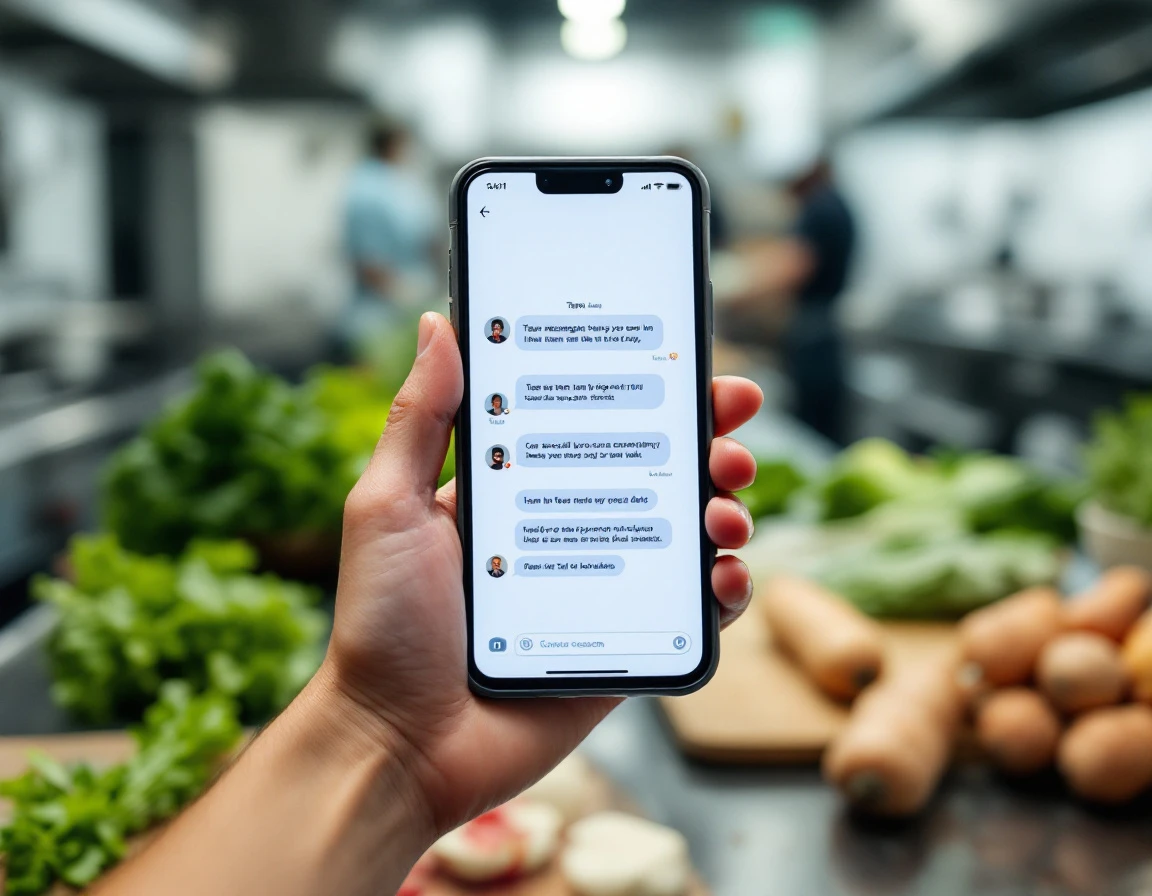
Once your unified channel is live, you need proof it's working. The metrics that matter most during peak season tell a simple story: are people getting the message, and are they showing up? Focus on four numbers that directly connect communication to outcomes.
Message open rates show whether your updates are actually reaching temporary workers. If open rates stay high, your team is checking the channel. Shift confirmation rates reveal whether workers understand and acknowledge their schedules before they're supposed to clock in. No-show percentage is the bottom-line metric—the whole point of better communication is getting people through the door when their shift starts. Response times to schedule changes measure how quickly workers see and react to last-minute updates, which happen constantly in retail and hospitality.
Establish your baseline before October hiring begins. Pull last year's no-show data for October through December, and compare it to this season after you've deployed your mobile platform. A realistic target might be reducing no-shows by mid-November, when Black Friday prep is in full swing and every body on the floor counts.
Use engagement data to keep improving. If Tuesday morning messages get opened faster than Friday afternoon ones, adjust your timing. If shift reminders sent 24 hours ahead perform better than same-day nudges, lean into that cadence.
The platform gives you visibility into what works during high-pressure trading periods.
Ready to see how this works in practice? Request a demo or explore PalmPuffin to watch the unified channel in action and start tracking the metrics that prove better seasonal staff communication solutions mean fewer empty shifts.