
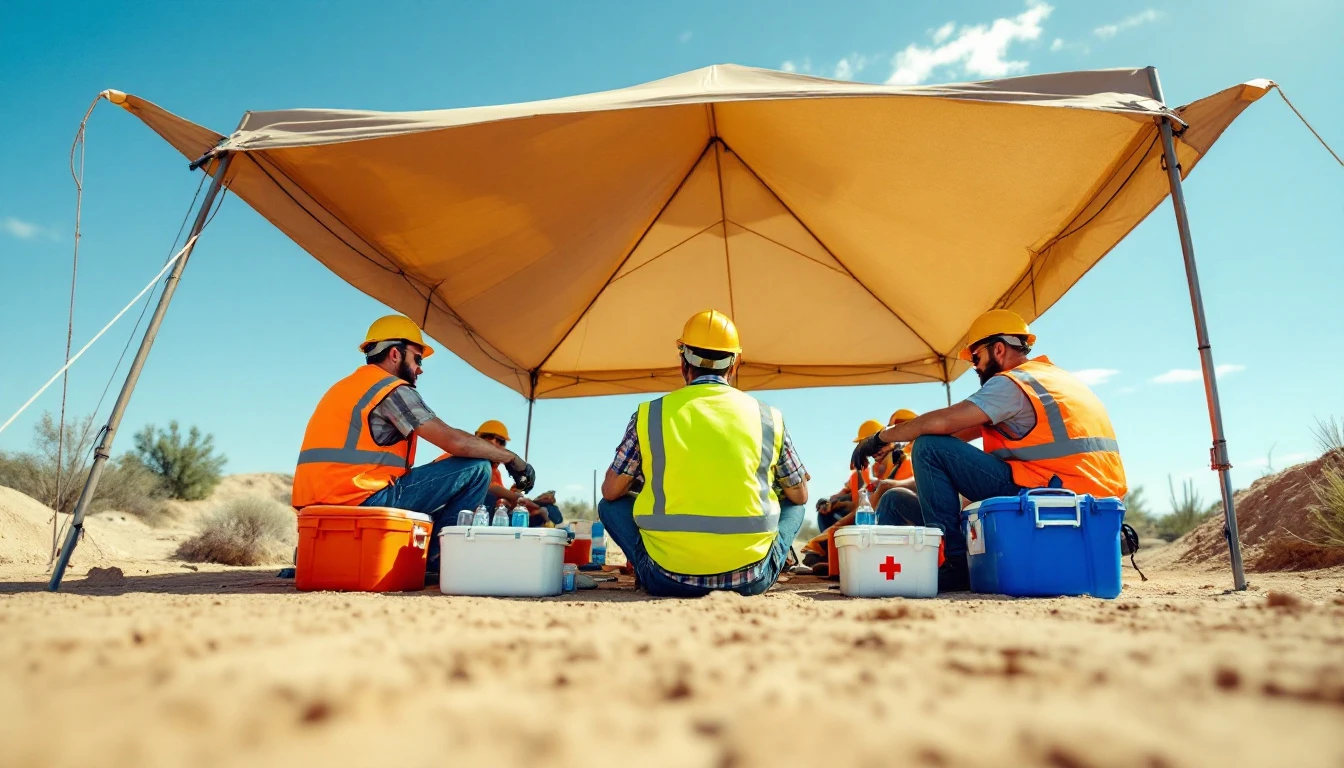
2024 OSHA Heat Rules and Manager Liability
OSHA's new heat safety standards mean managers need a clear plan to keep outdoor teams safe in summer heat. Here's what you need to set up—and how to make it automatic.
Your crew depends on you to set up heat safety
Your crew depends on you to spot heat risks and make sure breaks and water are part of every shift. You're responsible for identifying hazards, setting up protections, and keeping records. Getting ahead of heat safety protects your team, keeps operations running smoothly, and gives you confidence if an inspector stops by.
Inspectors talk to shift supervisors
Inspectors walk the floor and talk to shift supervisors. That's you. So the heat safety plan needs to live where you work—not in an HR binder. You've got July to put heat safety routines in place before August heat arrives. Starting early means your team is safe and you're ready if an inspection happens.
Compliance Audit Framework
Walk your worksite with a simple checklist. Ask yourself:
Do I have water stations where my crew works? Are breaks scheduled and logged? Is there a plan for new hires who need to adjust to heat? Can every supervisor spot heat illness signs? Is there a written emergency plan we've practiced? Do you track temperature and workload during shifts? Do I have training records with names and dates?
Each 'no' is something to fix in the next two weeks.
Documentation isn't about paperwork—it's proof that you took heat safety seriously and kept your team safe.Set up your heat safety system: a simple plan, training records with names and dates, and a daily checklist your crew uses. That's it.
PalmPuffin's scheduling and mobile tools help you turn audit findings into action. Assign heat safety training shifts, log break compliance, and keep your documentation current — all in one place.

July Action Plan: Week-by-Week Setup
Break your rollout into four manageable weekly milestones:
- Week 1: Draft your heat illness prevention plan using the OSHA template, then customize it with your workplace specifics — crew sizes, work locations, emergency contact numbers, and your nearest medical facility. Deliverable: a signed, site-specific plan ready for inspection.
- Weeks 2–3: Communicate the plan to your crew and conduct training sessions. Cover heat symptoms, hydration requirements, and emergency protocols. Document every session with sign-in sheets — these become your audit trail. PalmPuffin's messaging tools send reminders and track attendance across distributed teams automatically.
- Week 4: Deploy your monitoring system. Set break and hydration reminders in the app, post the heat safety schedule at each job site, and run a test emergency response with your crew. Deliverable: a working system before August arrives. Start in July while it's cooler, so you're ready when August heat hits.

Core Protocol Templates
Four ready-to-use documents form the paper trail that protects managers during an OSHA inspection:
- First, a one-page heat illness prevention plan with fill-in-the-blank fields for facility name, high-risk job titles (asphalt crew, roofers, landscapers), and your local heat thresholds.
- Second, a laminated emergency response card listing heat exhaustion symptoms—dizziness, nausea, confusion—and the exact steps supervisors must take: move worker to shade, call 911 if symptoms worsen, never leave them alone.
- Third, a daily pre-shift checklist crew leads complete each morning, verifying cooler placement, confirming acclimatization status for new hires, and documenting rest break schedules.
- Fourth, a training sign-in log capturing trainer name, attendee signatures, date, and topics covered—the single document inspectors request first.
These templates aren't busywork; they prove intent and effort when regulators arrive. PalmPuffin users push the daily checklist to crew leads' phones each morning and automate training reminders, turning manual paperwork into automatic compliance records that survive audits.
August–September Monitoring and Record-Keeping
Once August heat arrives and inspectors start walking job sites, the operational system built in July proves its value. Managers sustain compliance through daily monitoring checklists that track heat exposure hours, breaks taken, and each worker's condition throughout the shift.
Real-time records—logged as things happen—prove you're staying on top of heat safety and protecting your team.
A mobile app handles the logging for you. Breaks and hydration checks are recorded automatically, and you've got one place to find all your training records. Real-time alerts flag workers showing early heat stress symptoms before a situation escalates to emergency response.
This continuous monitoring prevents injuries while simultaneously building the documented proof of diligence that satisfies regulators. When an inspector arrives in September, managers hand over months of inspection-ready documentation instead of scrambling to recreate history from memory.
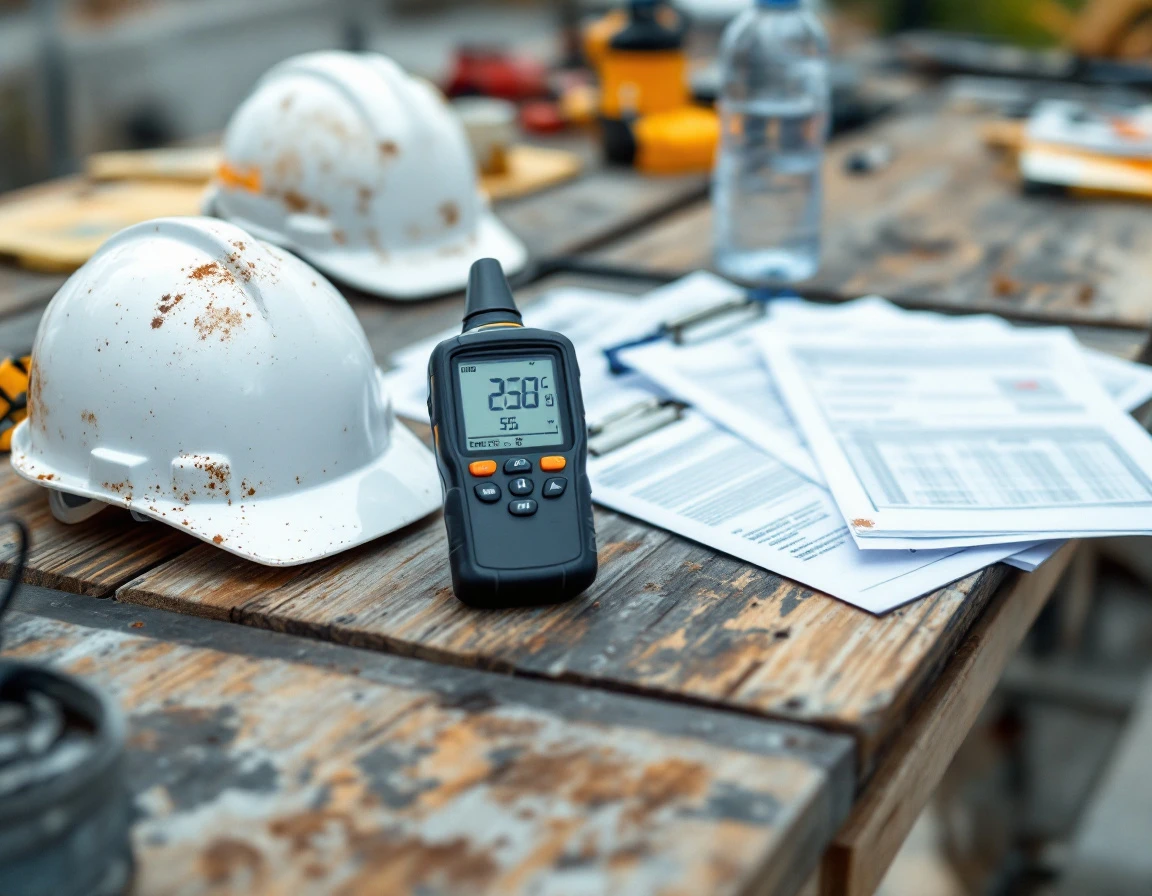
Next Steps: Implementation and Support
Get PalmPuffin's heat safety templates so you can set up your plan this week and keep your team safe in summer heat. These tools turn OSHA's rules into everyday actions—a simple checklist, a training sheet, and a reminder system. Download from our resource center: the heat illness prevention plan, emergency response card, daily monitoring checklist, and training log in copy-ready formats. All available at OSHA's heat exposure requirements page.
See how PalmPuffin makes heat safety automatic—your crew gets reminders, breaks are logged, and you've got proof of everything when you need it. The app sends hydration reminders, logs when training happens, and keeps all your records in one searchable place. Start in July while it's cooler, so you're ready when August heat hits.
Pick one person—a shift lead or safety officer—to run your heat safety system and keep records up to date. Schedule a mid-July compliance review meeting with all safety stakeholders to confirm readiness before inspectors show up. You can handle heat safety yourself with the right templates and a simple system your team uses every day.