

Why Small Businesses Lose Talent to Scheduling
A server picks up her phone Thursday night and sees Saturday's schedule posted—again—with three hours cut from her usual shift and no explanation. She starts looking for a steadier job that same evening. Manual scheduling creates these last-minute changes that hourly workers cite as the primary reason they leave, especially when shifts arrive unpredictably and managers never ask about availability.
The problem compounds in July, when summer staffing gaps expose just how broken the scheduling process has become. Employees who lack visibility into their hours or any control over shift trades feel undervalued, while managers spend hours on scheduling admin instead of the retention conversations that might keep good people from walking out.
That administrative burden grows into a retention crisis right before the fall hiring season, when replacing experienced staff costs far more than fixing the schedule ever would.
How Shift-Swapping Reduces Turnover
When a retail associate needs to swap Tuesday's closing shift for Thursday's morning, the old process meant texting coworkers, waiting for replies, then hunting down a manager to scribble approval on a paper schedule. That friction creates no-shows. The employee who promised to cover forgets, or the manager never sees the request, and a shift goes unstaffed.
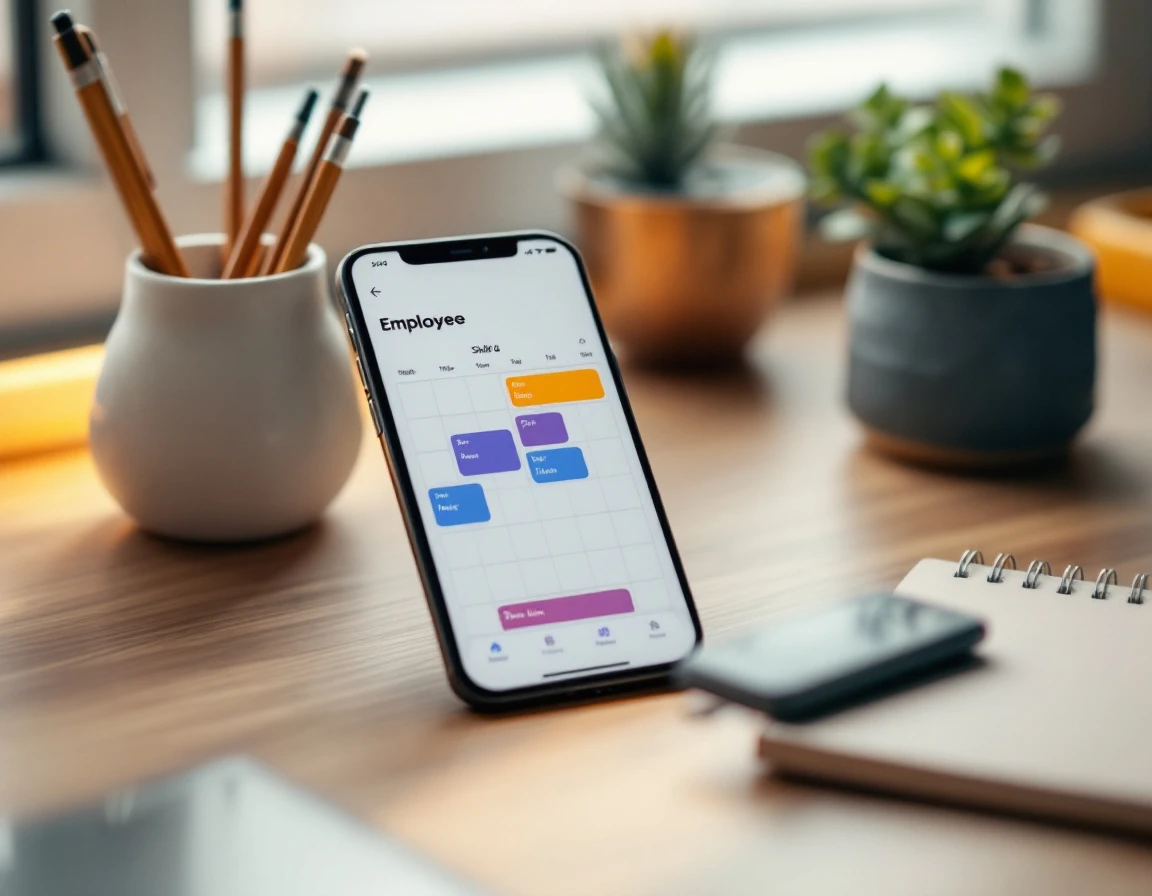
A mobile shift-swap feature flips that script. The employee opens the app, selects the shift, and sends the swap request to eligible coworkers. A teammate accepts. The manager gets a notification and approves with one tap. The schedule updates instantly for everyone. No group texts. No missed messages. No surprises.
A twenty-seat café in Portland saw unplaced absences drop after rolling out app-based swaps—employees stopped calling out because they could trade shifts themselves when conflicts arose. A small grocery chain in Michigan reported similar gains, with last-minute coverage gaps nearly disappearing once staff controlled their own swaps. That control signals trust, and hourly workers notice when a business respects their time enough to give them the tools to manage it.
Predictive Staffing Alerts & Fair Scheduling
When the summer rush hits in July, small businesses face a choice: scramble to cover shifts with whoever is available, or plan ahead. Reactive scheduling asks existing staff to pick up extra hours week after week, and burnout follows fast. One café in Portland saw three experienced baristas quit in August after a brutal summer of overtime and surprise weekend shifts. The next year, they switched to a scheduling app with predictive alerts.
The tool flagged understaffing two weeks before peak days, giving the owner time to hire seasonal help or adjust the schedule before anyone hit exhaustion. That summer, all three returning baristas stayed on through fall.
Predictive alerts catch the problem early—before the overwork spiral starts.
Fair scheduling matters just as much as the hours themselves. Employees need to know their shifts will show up as posted, with no last-minute cuts when business slows. Balanced hours across the team and predictable patterns signal stability. For hourly workers, that predictability reduces the financial anxiety that drives people to look for second jobs or more reliable employers.

Mobile Transparency Builds Trust
Seeing next week's schedule the moment it's posted—on your phone, without hunting down a clipboard or waiting for an email—changes how employees plan their lives. Childcare, a second job, a doctor's appointment: all of it gets easier when the schedule isn't a mystery until the last minute. Real-time visibility eliminates the planning anxiety that comes with uncertainty, and that reduction in stress matters more than many managers realize.
Push notifications keep everyone informed when changes happen. A shift swap gets approved, a closing time moves up, coverage opens for Saturday—employees know immediately, not hours later when they happen to check a bulletin board.
Small businesses that still rely on paper schedules or inconsistent group texts send an unintentional message: your time isn't important enough for us to get organized.Modern scheduling software flips that script entirely.
Workers notice professionalism. When a business respects their need to plan ahead and keeps them informed in real time, employees feel the operation takes them seriously. During labor shortages, that perception becomes a retention lever—people stay where they feel informed and respected, and they leave when they don't.
Evaluating Software for Your Retention Goals
When you're reviewing scheduling tools this July—before the Q3 hiring rush—ask questions that map to the retention pain points you've felt. Skip the generic feature checklists and dig into what matters:
- Can employees swap shifts in the app without texting the whole team?
- Does the system flag understaffing early enough to prevent burnout?
- Is the schedule visible on every worker's phone the second it's posted, or do they need to log into a portal?
Test onboarding with your lens: if a seasonal hire can't figure out how to claim an open shift during their first day, the tool isn't built for hourly teams. Look for mobile-first design and transparent scheduling as the default, not an upgrade tier.
Better retention lowers total cost of ownership—you're not constantly rehiring and retraining. See how PalmPuffin makes shift swaps simple and puts the schedule in your team's pocket.